
How Do You Clean and Treat a Fence After Pressure Washing? Amazing Results in 2026 Townsville
A clean fence can completely improve the look of your outdoor area, but pressure washing alone is not always enough. Fence Washing and Treatment Services help remove dirt, mould, algae and weather stains while preparing your fence for protective treatments that maintain its appearance.
Many properties throughout Townsville experience fence build-up caused by humidity, rainfall, dust and outdoor exposure. Whether you live in Douglas, Annandale or Kirwan, understanding the correct cleaning and treatment process can help you protect your fence and avoid unnecessary damage.
Why Fence Cleaning and Treatment Matters in Townsville Homes
Fences are constantly exposed to outdoor conditions. Over time, timber fencing can become faded, grey, stained or affected by mould and mildew, while other materials can collect dirt, grime and organic growth.
Townsville’s warm climate can create conditions where moisture and humidity contribute to mould growth, especially in shaded areas around gardens and outdoor entertaining spaces. Properties in suburbs such as Mundingburra, Aitkenvale and Cranbrook may notice these issues depending on surrounding trees, drainage and fence positioning.
Professional cleaning does more than improve appearance. It helps remove contaminants that can affect the surface over time and prepares the fence for additional protection, such as sealing or staining.
How Do You Clean and Treat a Fence After Pressure Washing?
Cleaning a fence correctly involves careful preparation, suitable equipment and the right treatment process. Simply using high pressure without considering the fence material can cause unnecessary damage.
The usual process includes:
- Inspecting the fence condition
Before cleaning begins, check for loose boards, damaged sections, peeling coatings, rusted hardware or areas that may require repairs. - Selecting the right cleaning method
Different materials need different approaches. Timber fences may require lower pressure or soft washing methods, while stronger surfaces may handle higher-pressure cleaning. - Removing dirt, mould and surface build-up
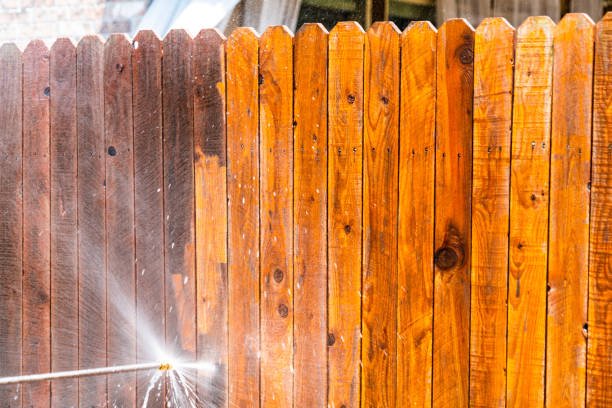
Pressure washing helps remove accumulated grime, algae, dust and stains that affect the fence’s appearance. - Allowing enough drying time
The fence must dry properly before applying any oil, stain or protective coating. Applying treatments while timber remains damp can affect the finish. - Applying a suitable protective treatment
Fence treatments can help maintain timber appearance and provide added protection against outdoor exposure.
What Happens After Pressure Washing a Timber Fence?
Timber fences often need additional care after pressure washing because cleaning can expose the natural surface of the wood. Once the fence has dried, applying a suitable treatment can help maintain the timber and improve its appearance.
Many homeowners choose treatments such as timber oil, sealers or stains depending on the desired finish. The right option depends on factors including:
- The type of timber used
- The age and condition of the fence
- Previous coatings or treatments
- The level of weather exposure
Homes in areas such as West End, Railway Estate and North Ward may have outdoor areas affected by coastal air, moisture and general weather conditions. Regular maintenance can help keep fencing looking cleaner for longer.
Can Pressure Washing Damage Your Fence?
Pressure washing can damage fencing when incorrect methods are used. Timber is especially sensitive because excessive pressure can remove soft wood fibres, create rough patches or leave visible marks.
Before cleaning your fence, consider:
- Using the correct pressure setting
- Keeping the nozzle at a safe distance
- Testing a small hidden section first
- Using suitable cleaning solutions
- Avoiding damage to nearby gardens and landscaping
For older fences or surfaces with existing damage, professional advice can help determine the safest cleaning approach.
How Often Should You Arrange Fence Washing and Treatment Services?
The ideal frequency depends on your fence material, surrounding environment and exposure to outdoor conditions. Some properties may need more regular maintenance due to shade, nearby vegetation or moisture levels.
You may need cleaning when you notice:
- Green growth or mould patches
- Dark stains on timber
- Dirt build-up around fence panels
- Faded or weathered surfaces
- A fence that looks older than expected
Properties around Pimlico, Gulliver and Heatley may experience different levels of build-up depending on nearby gardens, trees and drainage conditions. Regular inspections can help identify problems before they become harder to remove.
Other Ways to Maintain Your Fence After Cleaning
Fence washing is one part of keeping your outdoor area in good condition. After cleaning and treatment, you can improve fence longevity by completing simple maintenance tasks.
These include:
- Keeping soil and garden mulch away from timber contact points
- Trimming plants growing against fence panels
- Checking for damaged boards or posts
- Cleaning leaves and debris from fence lines
- Maintaining gates and hinges
For properties in areas such as Idalia, Cluden and Rosslea, regular outdoor maintenance can help keep fences looking tidy while supporting the overall presentation of your property.
Choosing Professional Fence Washing and Treatment Services in Townsville
Choosing the right cleaning provider can help protect your fence and achieve a more consistent finish. A professional pressure washing service understands how different surfaces respond to cleaning methods and can recommend suitable treatments.
K&A Pressure Washing helps Townsville property owners maintain their outdoor surfaces with careful cleaning techniques designed around each property’s needs.
When choosing a fence cleaning service, look for a provider that:
- Understands timber and outdoor surface care
- Uses suitable equipment and cleaning methods
- Takes care around gardens and surrounding areas
- Provides clear information about the process
- Focuses on protecting your property during cleaning
When to Call a Professional
You should contact a professional when your fence has heavy staining, mould growth, weather damage or delicate surfaces that require careful handling.
If you are unsure whether your fence requires pressure washing, soft washing or a protective treatment, K&A Pressure Washing can assess the condition of your fence and explain the available options.
Professional cleaning can help improve your fence’s appearance while reducing the risk of damage caused by unsuitable techniques or equipment.
Conclusion
Maintaining a fence involves more than removing surface dirt. The right cleaning process, drying time and protective treatment can help keep your fence looking cleaner and better maintained.
Fence Washing and Treatment Services can help restore the appearance of outdoor fencing, remove unwanted build-up and prepare surfaces for long-term protection. If your Townsville property needs fence cleaning, contact K&A Pressure Washing to discuss your requirements.
Frequently Asked Questions
Can I pressure wash my fence myself?
Yes, but you need to use suitable equipment and cleaning methods. Too much pressure can damage timber surfaces and create unwanted marks.
How long should a fence dry after pressure washing?
Drying time depends on weather conditions, airflow and fence material. Most fences should be completely dry before applying any treatment products.
Should I treat my fence after pressure washing?
Many timber fences benefit from sealing, oiling or staining after cleaning. The best option depends on the fence condition and the type of timber.
Does pressure washing remove mould from fences?
Pressure washing can remove surface mould and organic growth. Some stains may require additional cleaning treatments to achieve better results.
