
Pressure Washing Services for Residential Properties help remove built-up dirt, mould, algae and surface stains from driveways, paths, patios and exterior walls. For Townsville homeowners, professional exterior cleaning can improve street appeal, reduce slippery surfaces and protect outdoor areas from long-term grime without relying on harsh scrubbing.
Townsville properties face a combination of humidity, heavy rainfall, dust and strong sunlight. These conditions can quickly leave concrete, pavers, fences and walls looking tired, even when the rest of your home is well maintained.
Regular exterior cleaning gives you a practical way to restore these surfaces and keep your property looking cared for throughout the year.
Why Exterior Surfaces Become Dirty in Townsville
Outdoor surfaces are constantly exposed to moisture, airborne dirt, vehicle residue and organic growth. Shaded areas around gardens, side paths and retaining walls often stay damp for longer, creating ideal conditions for mould and algae.
Concrete driveways can also collect tyre marks, oil residue, soil and fine dust. Over time, these marks settle into the surface and become difficult to remove with a garden hose or household brush.
Rendered walls, painted fences and outdoor entertaining areas can develop discolouration more gradually. Because the build-up happens slowly, you may not notice how much the surface has changed until one section is professionally cleaned.
Key Benefits of Pressure Washing Services for Residential Properties
Professional cleaning offers more than a quick visual improvement. The right equipment, treatment and pressure level can help maintain different parts of your property while reducing the need for time-consuming manual cleaning.
Key benefits include:
- Improving the appearance of driveways and pathways
- Removing slippery mould and algae from walking areas
- Preparing surfaces before painting, sealing or repairs
- Reducing dirt around entrances and outdoor entertaining areas
- Restoring the colour of concrete and pavers
- Removing cobwebs and environmental grime from exterior walls
- Helping your property look well maintained before a sale or inspection
A clean exterior can also make other maintenance issues easier to identify. Once thick grime is removed, you may notice cracks, loose pavers, damaged sealant or peeling paint that previously blended into the surface. 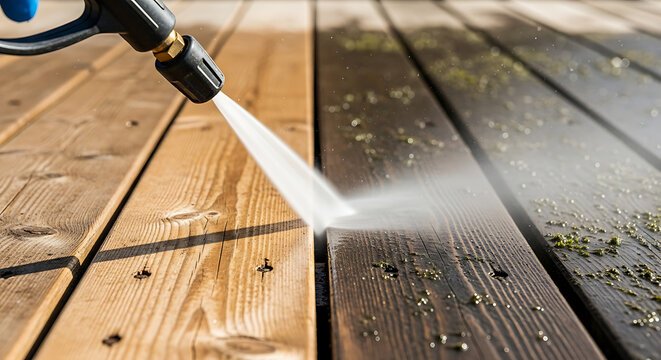
Which Areas Around Your Home Can Be Cleaned?
Not every outdoor surface should be treated with the same pressure. A reliable cleaner will assess the material, its condition and the type of staining before choosing the safest cleaning method.
Driveways and Concrete Paths
Driveways are among the most common areas cleaned because they receive regular foot and vehicle traffic. A rotary surface cleaner can provide a more consistent finish than cleaning with a narrow jet alone.
Oil, rust, tyre marks and organic staining may require individual treatments. Some marks can be reduced significantly, although deeply absorbed stains may not disappear completely.
Patios and Outdoor Entertaining Areas
Patios often collect food spills, garden debris, mould and dirt carried in by shoes. Cleaning these areas can make them feel more inviting and reduce slippery patches near tables, steps and pool surrounds.
Furniture, pot plants and loose items should be moved before work begins. This allows the cleaner to treat the entire area evenly rather than leaving dirty outlines.
House Exteriors
Exterior walls may need low-pressure cleaning or soft washing rather than strong water pressure. Soft washing combines controlled water flow with suitable cleaning products to break down mould, mildew and surface grime.
This method is often more appropriate for painted surfaces, render, cladding and other materials that could be marked or damaged by excessive pressure.
Fences, Pavers and Retaining Walls
Fences and retaining walls can collect green growth, soil stains and water marks. Pavers may also develop weeds or mould through the joints, particularly in shaded sections.
Care is needed around loose mortar, ageing timber and jointing sand. K&A Pressure Washing can assess these surfaces and adjust the cleaning process to suit their condition.
Why Using the Correct Pressure Matters
More pressure does not automatically produce a better result. Excessive force can etch concrete, lift paint, damage timber fibres, loosen paver sand or force water behind exterior cladding.
The distance between the nozzle and surface also affects the result. Holding the equipment too close may leave lines or patches, while moving too quickly can produce uneven cleaning.
A professional service matches the pressure, nozzle, treatment and cleaning technique to the material. This helps achieve a consistent finish without treating every surface like heavy-duty concrete.
How to Prepare Your Property for Pressure Cleaning
Preparing your property allows the cleaning process to run smoothly and helps protect nearby belongings.
Before your appointment:
- Move vehicles away from the cleaning area.
- Remove outdoor furniture, toys and portable decorations.
- Close doors, windows and external vents.
- Keep pets and children safely indoors.
- Point out damaged surfaces, loose fittings or electrical concerns.
- Identify stains such as oil, paint or rust.
- Provide clear access to the areas being cleaned.
You should also let your provider know about delicate plants, outdoor power points, security cameras and recently painted surfaces. These details allow the cleaner to take suitable precautions before starting.
Can You Pressure Wash Your Home Yourself?
You may be able to clean a small, sturdy concrete area with suitable equipment and basic safety precautions. Start with a low setting, test an inconspicuous section and maintain a consistent distance from the surface.
However, DIY cleaning can become risky when you are working near windows, electrical fittings, ladders, fragile materials or unknown building products. It is also easy to leave visible lines when the nozzle is moved unevenly.
Never use high-pressure equipment on a surface that may contain asbestos. Older homes and outbuildings can contain asbestos cement materials, so arrange professional advice when you are uncertain about the surface.
How Often Should Residential Surfaces Be Cleaned?
There is no single cleaning schedule that suits every home. Properties surrounded by trees, exposed to road dust or affected by high moisture may need attention more often than open, sunny properties.
Rather than following a strict timetable, look for visible signs such as:
- Green or black organic growth
- Slippery paths and steps
- Darkened concrete
- Heavy cobwebs and dust
- Stained outdoor entertaining areas
- Dirty exterior walls and fencing
Early cleaning can be easier than waiting until the build-up becomes thick and deeply embedded.
When to Call a Professional
Contact a professional when the cleaning area is large, heavily stained, difficult to access or made from a delicate material. Professional help is also worthwhile when you need an even result before selling, painting, sealing or improving your outdoor areas.
K&A Pressure Washing provides Pressure Washing Services for Residential Properties across Townsville, using cleaning methods suited to the surface and level of build-up. Speak with the team about your driveway, paths, patio, fences or exterior walls and request an assessment tailored to your property.
Conclusion
Pressure Washing Services for Residential Properties can improve street appeal, reduce slippery organic growth and refresh the outdoor areas you use every day. The best results come from using the correct pressure, cleaning products and technique for each surface.
Inspect your property for mould, discolouration and stubborn dirt, then decide which areas need attention first. For reliable exterior cleaning in Townsville, contact K&A Pressure Washing to discuss a suitable approach for your home.
Frequently Asked Questions
Is pressure washing safe for painted exterior walls?
It can be safe when the correct method is used. Painted walls often require soft washing or controlled low pressure to reduce the risk of peeling, marking or water intrusion.
Can pressure washing remove oil stains from concrete?
Pressure cleaning can reduce many oil stains, especially when they are treated early. Older stains may require specialist products and may remain partly visible if the oil has penetrated deeply.
Will pressure washing damage pavers?
Incorrect pressure can loosen jointing sand or mark softer pavers. A professional should inspect the pavers and use a suitable cleaning technique for their material and condition.
Should I pressure wash before painting?
Yes, cleaning can remove dirt, mould and loose surface material before painting. The surface must be allowed to dry properly, and any damage should be repaired before new paint is applied.
