
What Is Soft Washing for Houses and Exteriors, and Is It Better Than Pressure Washing in Townsville? The Essential Safer Guide for 2026
Soft Washing for Houses and Exteriors is a low-pressure cleaning method that uses specialised cleaning solutions to break down mould, algae, mildew, dirt and organic staining. For many homes across Townsville, Douglas and Cranbrook, it can be a safer choice than high-pressure washing on painted walls, render, cladding and other surfaces that may be damaged by excessive water pressure.
Both soft washing and pressure washing have their place. The right method depends on the surface being cleaned, the type of contamination present and the condition of your property.
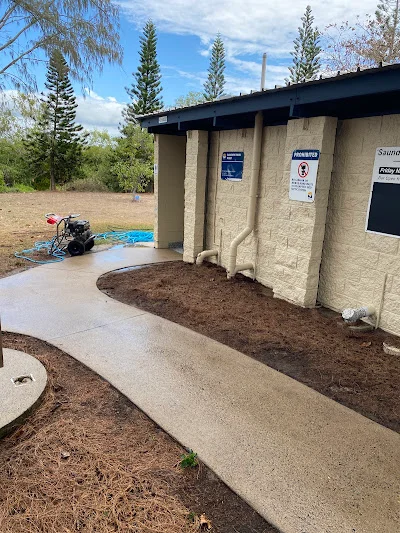
What Is Soft Washing for Houses and Exteriors?
Soft washing relies more on the cleaning solution than the force of the water. A technician applies a suitable exterior cleaning solution at relatively low pressure, allows it time to work on organic growth and grime, then rinses the surface carefully.
This makes Soft Washing for Houses and Exteriors particularly useful for homes in Annandale and Mundingburra where exterior walls, eaves and shaded areas can collect mould, dirt and organic build-up.
Common surfaces that may suit soft washing include:
- Painted exterior walls
- Rendered surfaces
- Weatherboards and cladding
- Eaves and soffits
- Fascias
- Gutters
- Some roof surfaces
- Outdoor walls affected by mould or algae
The exact process should always be adjusted to suit the material being cleaned. A painted wall in good condition, for example, may require a different approach from older render with existing cracks or loose coatings.
Why Soft Washing Suits Many Townsville Properties
Townsville’s warm tropical environment can encourage mould, mildew and algae growth on exterior surfaces, particularly in shaded or damp areas. Homes in Aitkenvale, Kirwan and Murray may also collect airborne dirt, dust and organic material on walls, eaves and outdoor structures over time.
You may notice dark patches beneath eaves, green growth on shaded walls or general discolouration across painted areas. These problems are not always best handled by simply increasing water pressure.
Soft washing aims to treat the material causing the staining instead of relying on force alone. This can help clean difficult exterior areas while reducing unnecessary stress on the underlying surface.
At K&A Pressure Washing, the cleaning method can be matched to the surface rather than treating every part of a property with the same pressure setting.
Soft Washing vs Pressure Washing: What Is the Difference?
The main difference is how each method achieves the clean.
Pressure washing uses higher-pressure water to physically remove dirt and surface build-up. It can be highly effective on durable materials such as certain concrete areas, paved surfaces and other hard substrates around properties in West End, Pimlico and Gulliver.
Soft washing uses lower water pressure combined with cleaning solutions designed to loosen and treat contamination.
Think of it this way: pressure washing primarily uses mechanical force, while soft washing relies more heavily on chemical cleaning action followed by controlled rinsing.
Neither method is automatically better in every situation.
When pressure washing may be suitable
Pressure washing can work well for durable surfaces with embedded dirt, including:
- Concrete driveways
- Some paved areas
- Hard pathways
- Certain masonry surfaces
- Other strong surfaces assessed as suitable for higher pressure
When soft washing may be suitable
Soft washing can be preferable for more delicate exterior areas, including painted walls, cladding, render and surfaces affected by widespread organic growth.
A professional exterior cleaner may also use different techniques across the same property rather than choosing one method for everything.
Can Pressure Washing Damage a House Exterior?
Yes, if unsuitable pressure, nozzles or techniques are used.
High-pressure water can damage weakened paint, mark some rendered surfaces, disturb ageing sealants or force water into gaps around joins and exterior fittings. Homes in Heatley, Cosgrove and Railway Estate with older coatings or existing surface wear may need extra care before cleaning begins.
That does not mean pressure washing is unsafe when performed correctly. It means the pressure needs to match the material.
Older properties or homes with existing paint deterioration deserve particular care. If paint is already peeling, bubbling or chalking, exterior cleaning may reveal or worsen those existing defects.
Testing a small, inconspicuous section before cleaning a large area is sensible.
Does Soft Washing Remove Mould and Algae?
One of the main advantages of Soft Washing for Houses and Exteriors is its ability to deal with organic contamination such as mould, mildew and algae.
Instead of trying to blast visible growth away, an appropriate cleaning solution helps break down the contamination before rinsing.
This can be useful around Rowes Bay and North Ward, where shaded walls, coastal exposure and moisture-prone exterior areas can develop visible staining and organic growth.
Results still depend on the condition and type of surface. Some old stains, oxidised paint, rust marks or permanent discolouration may not disappear through standard washing alone.
A trustworthy contractor should explain these limitations before starting rather than promising that every mark will vanish.
Is Soft Washing Safe for Paint and Render?
It can be when the correct products, dilution rates, dwell times and rinsing methods are used.
Soft washing reduces the need for concentrated water pressure, but the cleaning solution itself still needs to be appropriate for the surface. Stronger does not automatically mean better.
Professional cleaners should assess areas such as:
- Existing paint condition
- Cracked or loose render
- Windows and seals
- Electrical fixtures
- Nearby plants
- Timber finishes
- Metal components
- Previously repaired areas
Properties in Idalia, Cluden and Rosslea can contain a mix of rendered walls, painted finishes, masonry and outdoor living areas, so one cleaning method may not suit every surface.
Plants and landscaping may also need to be wet down, protected or carefully rinsed depending on the products being used.
Can You Soft Wash a House Yourself?
Some light exterior cleaning can be handled yourself if the area is easy to reach and you use products specifically intended for the surface.
Start with the manufacturer’s directions and avoid mixing cleaning chemicals unless the product instructions specifically permit it. Wear suitable protective equipment and keep cleaning solutions away from children and pets.
You should also avoid climbing onto roofs or working from unstable ladders simply to clean difficult areas.
DIY cleaning becomes less practical when you are dealing with high walls, extensive mould, delicate materials or surfaces where you cannot confidently determine the correct treatment.
How Often Should House Exteriors Be Cleaned in Townsville?
There is no fixed schedule that suits every property.
A house surrounded by trees or located in an area where shaded surfaces stay damp may develop visible organic growth sooner than an exposed property with good airflow. Homes across Townsville, from Douglas through to Kirwan and Annandale, can experience different levels of dirt and mould depending on vegetation, orientation and surrounding conditions.
The colour and finish of your exterior can also affect how quickly dirt becomes noticeable.
Inspecting the exterior once or twice a year can help you spot mould, algae and staining before heavy build-up develops.
Cleaning based on the condition of the property is generally more practical than washing according to an arbitrary timetable.
Is Soft Washing Better Than Pressure Washing?
For delicate house exteriors, Soft Washing for Houses and Exteriors is often the more appropriate option because it can clean organic build-up without depending on aggressive water pressure.
For durable surfaces such as suitable concrete, pressure washing may be faster and more effective.
The best exterior cleaning job may use both methods. A driveway in Cranbrook or Aitkenvale could receive controlled pressure washing while painted walls, eaves and cladding receive a softer treatment.
Surface assessment should come before equipment selection.
When to Call a Professional
Consider professional cleaning when mould covers large sections of your home, exterior walls are difficult to access, the property has delicate finishes or you are uncertain whether pressure could damage the surface.
You should also seek professional advice when working around roof areas, electrical fixtures, deteriorating paint or significant exterior staining.
K&A Pressure Washing provides pressure washing and exterior cleaning across Townsville and nearby suburbs including Mundingburra, Pimlico, Gulliver, Heatley and Rosslea. If you want to clean your home’s exterior without using unnecessary pressure, contact the team to discuss the condition of your property and the areas you need cleaned.
Conclusion
Soft washing and pressure washing solve different cleaning problems. Soft washing uses lower pressure and targeted cleaning solutions, making it well suited to many painted, rendered and clad exterior surfaces, while pressure washing remains useful for stronger materials such as suitable concrete and paving.
For homeowners across Townsville, North Ward, Railway Estate, Rowes Bay, Idalia and surrounding suburbs, choosing the right method matters more than simply choosing the strongest equipment. K&A Pressure Washing can assess your property and recommend an appropriate approach for your walls, eaves, paths and other exterior areas.
Contact K&A Pressure Washing to arrange exterior cleaning in Townsville and find out whether soft washing, pressure washing or a combination of both is right for your property.
Frequently Asked Questions
What is the main benefit of soft washing a house?
Soft washing can remove mould, algae, mildew and exterior grime while using much less water pressure than conventional pressure washing. This makes it useful for surfaces that may be damaged by aggressive cleaning.
Is soft washing better than pressure washing for painted walls?
In many cases, yes. Lower-pressure cleaning can reduce the risk of damaging sound painted surfaces, although the condition of the paint should always be checked before cleaning begins.
How long does soft washing last?
There is no fixed timeframe. How quickly staining or organic growth returns depends on shade, moisture, surrounding vegetation, airflow and the condition of the exterior surface.
Can soft washing remove black mould from exterior walls?
Soft washing can treat many forms of exterior mould and organic growth when an appropriate cleaning solution is used. Deep staining, deteriorated coatings or permanent discolouration may require additional treatment or repairs.
